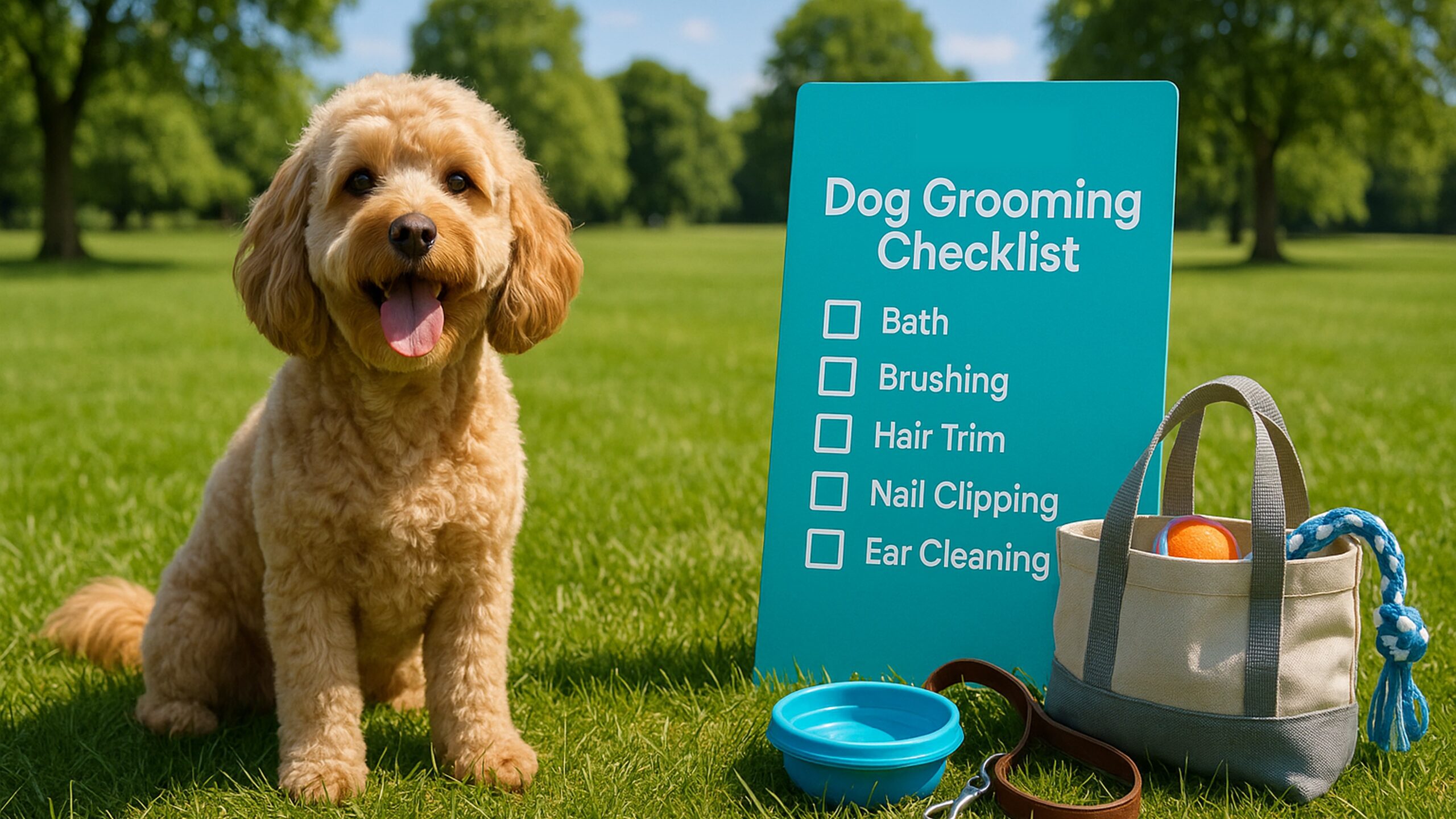
In the UK, a “quick walk” usually involves dodging puddles and trekking through thick mud. Between the relentless drizzle and the seasonal “blow-outs” of double-coated breeds, keeping your dog’s coat in check is a full-time job. To help you stay on top of things, we have put together this essential dog grooming checklist UK owners can rely on.
Neglecting the basics leads to painful matting, “foxy” smells, and irritated skin. Professionals in the dog grooming industry see these issues daily: dogs arriving in discomfort and owners frustrated by the effort needed to restore a neglected coat.
Daily Care: The Five-Minute Fix
Consistency at home saves you a fortune at the salon. Even five minutes of attention can prevent a small knot from becoming a painful “pelt.”
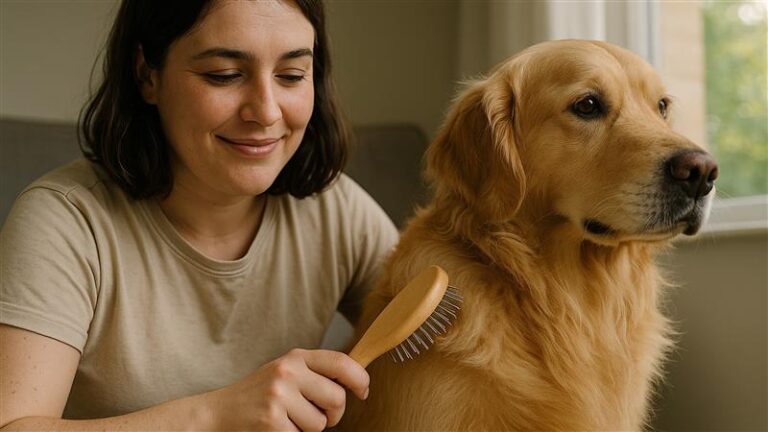
Work through the coat: Brushing removes loose fur and prevents the dreaded matting. Long-haired or curly “designer” crossbreeds like Cockapoos and Cavapoos need a daily go-over. For double-coated breeds like Huskies or German Shepherds, focus on the undercoat to keep the “fur-nados” in your living room to a minimum.
Clear the “sleep” from their eyes: Pale-coated breeds often suffer from tear staining. A quick wipe with a damp cloth keeps things hygienic and prevents bacterial build-up.
The “Paw Check” after walks: British weather is unpredictable. Check paws for mud, grit, or the notorious grass seeds that can burrow into the skin and cause nasty infections.
Weekly Care: Don’t Overlook the Details
Ear hygiene: Floppy-eared dogs (like Spaniels) are prone to wax and moisture build-up. A gentle weekly check and clean helps avoid a trip to the vet for painful infections.
Dental health: Plaque builds up fast. Aim to brush their teeth at least twice a week to keep “dog breath” at bay and prevent costly dental surgery later on.
A quick “Hygiene Clip”: For longer-haired dogs, keeping the fur trimmed around their “bits” ensures they stay clean between full professional appointments.
Monthly Maintenance: The MOT
Don’t wait until your dog is a matted mess before acting. As part of your monthly dog grooming checklist UK, you should give your dog a proper wash unless they’ve rolled in something truly foul, every 4–6 weeks is usually plenty. Be sure to check their nails; if you can hear them clicking on the kitchen lino, they’re too long. If you aren’t confident with the clippers, it’s worth looking for dog nail clipping near me to let a professional handle the fiddly bits. Finally, soothe those pads winter salt and grit can cause skin to crack, so a bit of paw balm goes a long way.
The Professional Schedule: Every 6-12 Weeks
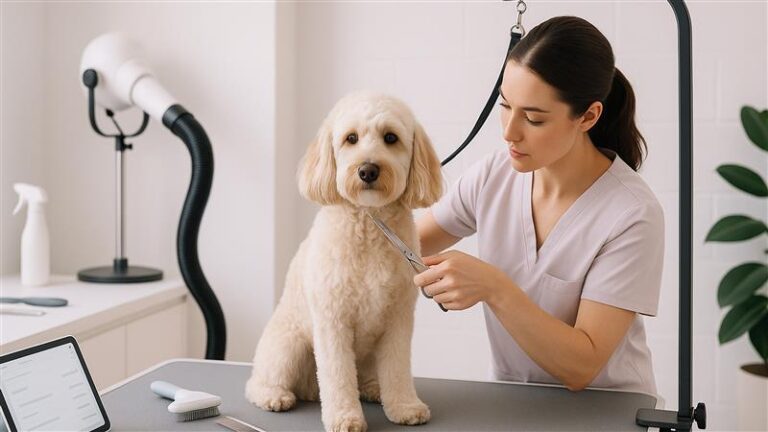
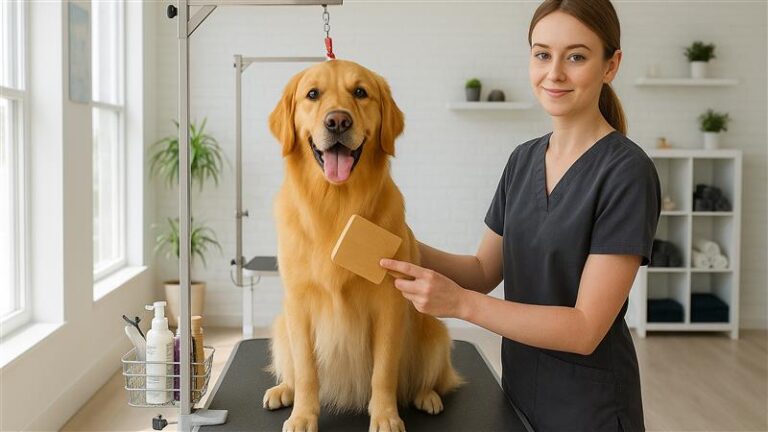
While home care is vital, a professional groomer has the kit to do the heavy lifting. A standard session usually covers a deep de-shed, nail clipping, and a breed-standard trim.
| Breed Type | Recommended Frequency | What’s Involved |
| Curly/Wavy (Cockapoos, Poodles) | Every 4-6 weeks | Full clip or “Teddy Bear” trim to prevent matting. |
| Long-Haired (Spaniels, Shih Tzus) | Every 6-8 weeks | Trimming “furnishings” and a thorough brush-out. |
| Double-Coated (Huskies, Retrievers) | Every 8-12 weeks | Intensive de-shedding (never shave these coats!). |
| Short-Haired (Labs, Staffies) | Every 10-12 weeks | Deshedding treatment and nail maintenance. |
When booking, it is worth comparing dog grooming prices, but remember that the cheapest option isn’t always the best for a nervous pup. If you’ve been searching for dog grooming near me, be sure to check reviews for local salons that specialise in your dog’s specific breed.
Seasonal Adjustments for the British Climate
Spring: The big “moult” begins. You’ll need to brush more frequently to manage the shedding.
Summer: Watch out for “hot spots” and sunburn on pale-skinned dogs. Keep trims neat but never shave a double coat they need that fur to regulate their temperature.
Autumn: Mud management is the priority. If you don’t dry your dog properly after a rainy walk, damp fur will knot up almost instantly.
Winter: Salt and grit are the enemies. Wash paws after every walk and keep the fur between their pads trimmed short to stop “ice balls” from forming.
Final Note for Professional Groomers
A reliable routine is the backbone of any successful grooming business. Without automated reminders, owners forget their appointments, and dogs arrive “pelted” and stressed. Using a system like PawPal to handle rebookings and reminders ensures your diary stays full and your four-legged clients stay in top condition.