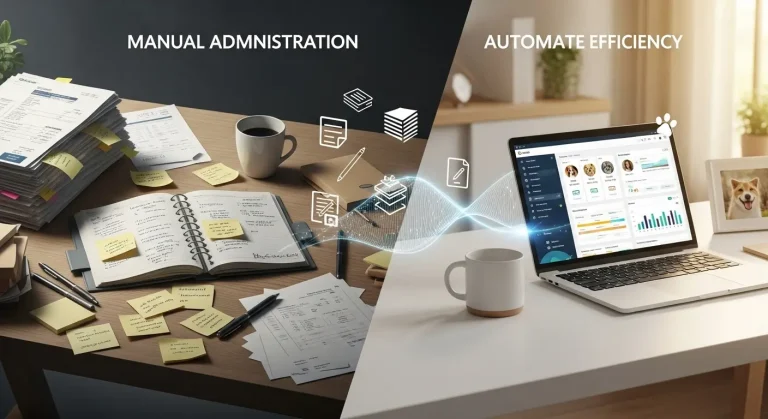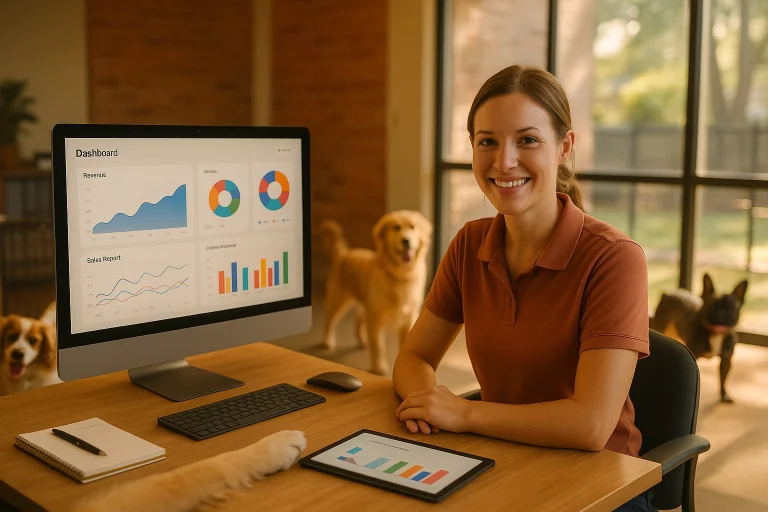

The traditional method of running a boarding facility with a clipboard and a dusty filing cabinet is no longer fit for purpose. As the market matures, professional Kennel Management Software UK has become an essential tool rather than a luxury. With the post-lockdown surge in pet ownership now stabilising, owners returning to the office expect the same digital convenience from their dog daycare as they do when booking any other local service. To remain competitive, your admin needs to be as sharp as your animal care.For facility owners, adopting the right Kennel Management Software UK isn’t just about tech for tech’s sake; it’s about survival. With tighter local council licensing requirements and rising demand, implementing a robust Pet Boarding Management System is the only way to scale without increasing the administrative burden or being held back by inefficient back-office processes. This guide covers the operational realities of modernising your kennel, from staying GDPR compliant to ensuring you get paid on time.
From “Admin Faff” to Hassle-Free Booking
Your booking process is often the first impression a client gets. If they have to phone you during working hours to secure a slot, you are already losing business.Modern Dog Daycare Software UK has moved everything to mobile. Dedicated apps now handle the heavy lifting: registration forms, vaccination certificate uploads, and deposits are all sorted before the dog even arrives. This doesn’t just look professional; it creates a paper trail that protects you. Automated push notifications and a streamlined Kennel Booking Software UK mean you spend less time chasing payments and more time managing the pack.The “Big Brother” Factor: Webcams and Transparency
Given we are entrusted with cherished family pets, transparency is non-negotiable. We are dealing with people’s cherished pets, after all. In the past, trust was based on a handshake; today, it’s based on video feeds.Live webcams are becoming standard, but you don’t need to stream 24/7 if that feels intrusive. Many modern platforms offer “pupdate” features, such as secure, daily photo or video logs sent directly to the owner’s app. It’s a brilliant retention tool. When a client sees their spaniel chasing a ball while they are stuck in a meeting, they aren’t just relieved; they feel they are getting value for money.Staff Ratios: More Than Just Health Monitoring for Dogs
We are seeing a surge in smart collars that track activity levels, rest patterns, and location. This isn’t just a gimmick; it feeds real data into your management system.Instead of relying on a staff member noticing that a dog seems “a bit off,” the data can flag a drop in activity levels early. This allows you to spot potential health issues or simply adjust playgroups if a dog is getting overwhelmed. For health-conscious owners, this level of detail is a major differentiator from the “pack ’em in” style kennels of the past.AI in Operations: Spotting Trouble Before It Starts
In a kennel context, Artificial Intelligence is a tool for practical risk management and scheduling.- Safety: New algorithms can analyse video feeds to flag body language associated with aggression or stress, alerting staff before an incident breaks out.
- Staffing: It takes the guesswork out of rotas. The software analyses booking density to ensure you always meet your staff-to-dog ratios without overspending on wages on quiet days.
The Business Case: Why Upgrade?
Implementing a proper software stack serves both sides of the counter. For the operator, it ensures cash flow through automated invoicing. When the local council inspector visits, having digital logs makes the licensing process infinitely smoother. Even if you are starting small and looking for Dog Boarding Software Free versions to test the waters, the efficiency gains are undeniable.For the Client:- Zero Friction: They book, pay, and sign waivers on their phone. No paper forms to lose.
- Reassurance: They get a window into their dog’s day without having to text you for updates.
- Cash Flow: Automated invoicing and payment reminders ensure timely settlement.
- Council Compliance: When the local council inspector visits, having digital logs for vaccinations, incidents, and cleaning schedules makes the licensing process infinitely smoother.
- Veterinary Links: Connecting your data with vet platforms ensures you have a complete medical history if an emergency happens.
Practicalities: Costs and GDPR
Upgrading isn’t free. You have the upfront cost of hardware and monthly software subscriptions. However, if it saves your reception staff 10 hours a week of phone calls, it pays for itself rapidly.The two things you cannot ignore:- Training: Tech supports your staff; it doesn’t replace them. If your team can’t use the tablet, the system is useless.
- GDPR: This is non-negotiable in the UK. Ensure your provider has UK-compliant servers and clear policies on how long video footage and client data is kept. “We store it in the cloud” isn’t a good enough answer for an inspector.
Choosing Your Platform: A Quick Checklist
Don’t get swayed by flashy sales pitches. Ask these four questions:- Is it Mobile-First? If the client app is clunky, they won’t use it.
- Integration: Can it talk to your accounting software (like Xero or QuickBooks) and wearable trackers?
- Support: Is the support team UK-based, or will you be waiting for a reply from a different time zone when the system goes down at 8 AM?
- Compliance: Can they prove they are GDPR compliant?