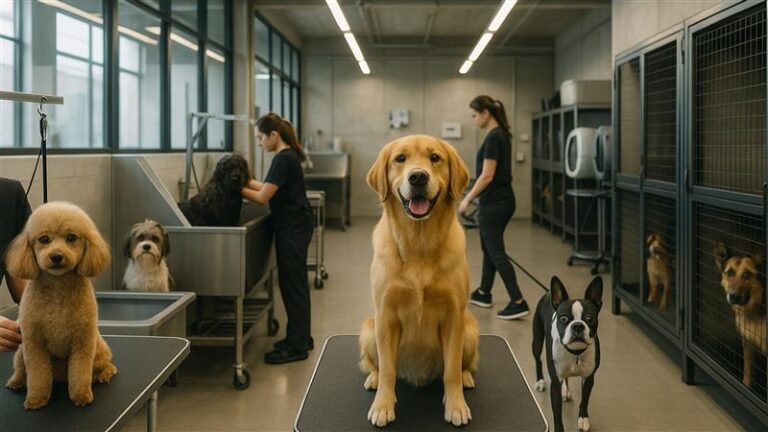

Opening a dog daycare in the UK used to be as simple as having a secure field and a love for Labradors. That era is over. Today, the market for dog boarding and professional care is sophisticated, highly regulated, and increasingly competitive. Success in running a dog daycare business now requires more than a genuine affinity for dogs; it demands robust systems, sensible pricing, and professional communication that earns client trust.
Adapting to the Market Shift
While hybrid working has changed owner routines, demand for professional pet daycare has become more defined rather than diminished. Most owners now expect far more than somewhere for their dog to pass the day. They want clear behaviour management, tailored enrichment, and honest, consistent feedback.
Daycares that offer additional services such as dog grooming, training, or occasional boarding dogs typically see stronger client retention. From an operational perspective, businesses still relying on paper diaries and scattered WhatsApp conversations are steadily falling behind. Digital management has become the baseline expectation for serious operators.
Choosing a Sustainable Business Model
Your business structure directly affects both your profit margins and your long-term resilience. Whether you are focusing on daycare for dogs or a full-scale service hub, a commercial facility offers the highest earning potential. These sites allow for multiple play zones and dedicated rest areas, which are essential for managing different temperaments safely.
Home-based setups are better suited to boutique operations. While overheads are lower, growth is naturally capped by space and licensing limits. Many successful operators find a middle ground by offering specialist care or activity-led sessions that justify premium pricing.
Licensing and the Legal Essentials
Any dog daycare operating in England must comply with the Animal Welfare (Licensing of Activities Involving Animals) Regulations 2018. Local councils inspect premises against strict criteria, including staffing ratios, ventilation, hygiene standards, and emergency procedures.
Inspectors now expect more than basic cleanliness. Operators must demonstrate staff competence in canine first aid and group play supervision. Insurance must also be comprehensive, including public liability, employer’s liability, and care, custody, and control cover as a minimum.
Services That Command Premium Rates
The most profitable daycares prioritise structure over chaos. Rather than unstructured group play, sessions should be built around purposeful enrichment. This can include scent work, confidence-building equipment, and supervised rest periods to prevent overstimulation.
Convenience remains one of the strongest selling points. Early drop-offs, weekend availability, and regular photo updates are key drivers of loyalty. When these services, including dog grooming, are managed through a central system instead of a personal phone, the operation feels noticeably more professional and dependable.
Pricing for Profitability
Profitability in running a dog daycare business is not determined by hourly rates alone. It depends on how services are packaged and delivered. Businesses charging purely by the hour often see margins eroded by small, unavoidable costs. Tiered packages or membership models typically perform better, offering predictable monthly cashflow.
Clear pricing for late collections and optional extras should be applied consistently. Digital systems make this straightforward, removing the need for uncomfortable conversations at the gate during the evening rush.
Smoothing the Morning Handover
The morning drop-off sets the tone for the entire day. Attempting to process payments and record dietary instructions while several dogs are arriving at once quickly raises stress levels for staff and owners alike.
Pre-booked sessions and advance digital payments allow check-in to become a calm, five-second handover. This enables staff to focus on welcoming the dogs rather than managing administration, creating a more controlled environment from the outset.
How PawPal Supports Your Growth
PawPal is designed specifically for the UK market, bringing bookings, payments, and care records into a single system. It removes the need for spreadsheets, notebooks, and personal messaging apps. Key features include:
Secure UK payments with support for deposits and recurring billing
Digital care logs covering behaviour, feeding, and medication
Owner communication through photo sharing and real-time alerts
Staff timelines that ensure clear handovers between shifts
Building a Profitable, Sustainable Daycare
A well-run dog daycare offers strong margins and reliable recurring revenue, but long-term success depends on consistency rather than volume alone. Operators who protect their reputation and maintain clear standards tend to outperform those chasing maximum numbers.
By putting the right systems in place, administrative noise is reduced and staff burnout becomes far less likely. This allows you to focus on what matters most: providing a safe, enriching environment for the dogs in your care.
Ready to get your systems in order? Book a PawPal demo today and see how we can help you run a more professional, profitable daycare.