
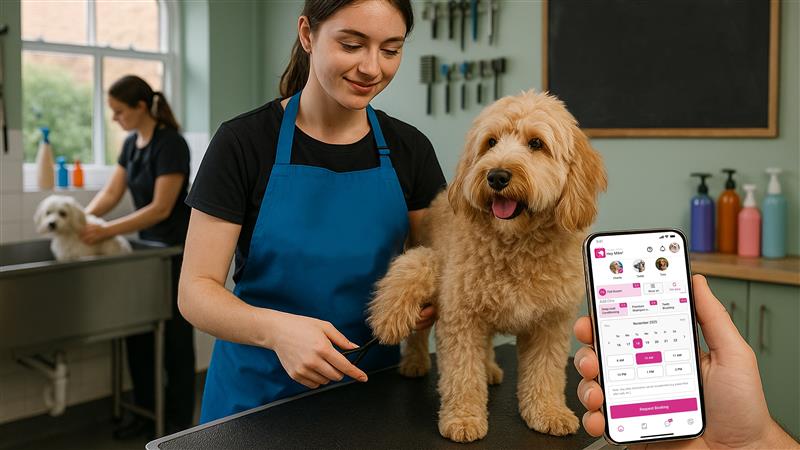
Thinking of swapping the office desk for a grooming table? You aren’t alone. With dog ownership in the UK at record highs, the demand for skilled groomers has surged. It’s no longer just about a quick “wash and brush up”; owners are investing heavily in professional care for their pets.Whether you plan to open a high-street salon, launch a mobile van, or simply want the independence of being your own boss, the right training is the foundation of a profitable business. But with so many training providers out there, where do you start?This guide breaks down the best dog grooming courses in the UK, the qualifications you actually need, and how to use tools like PawPal to turn your new skills into a viable business.
Why Dog Grooming is a Resilient Career
The pet industry is one of the few sectors that remains resilient, even in tough economic climates. Searches for “dog grooming near me” continue to rise, and waiting lists for competent groomers can run into weeks.For you, this career offers a rare mix of creativity, independence, and solid earning potential. It is physically demanding work, but for those who love animals, the reward of transforming a matted dog into a healthy, happy pet is hard to beat. Plus, modern pet care business software has made the administrative side of running a salon far simpler than it used to be.What You Actually Learn on a Professional Course
A recognised grooming qualification does more than teach you aesthetic styling. It covers the core mechanics of the trade. You will learn to handle dogs of all temperaments from nervous rescues to boisterous puppies ensuring both you and the animal remain safe.Standard modules on a City & Guilds or iPET course typically include:- Prep work: Bathing, drying (including using a high-velocity blaster), and dematting various coat types.
- Styling: Mastering clipping, scissoring, and hand-stripping for specific breeds like Spaniels, Westies, and Poodles.
- Health & Safety: Canine first aid, infection control, and health checks (e.g., spotting ear infections).
- Business Basics: Managing client records and bookings a task made significantly easier by using dedicated software like PawPal from day one.
Types of Dog Grooming Courses
It is crucial to choose a course with extensive practical time. You cannot learn to scissor a Poodle’s topknot just by watching a video.- City & Guilds: The traditional gold standard. These qualifications are widely recognised by employers and offer a structured path from Level 2 (Assistant) to Level 3 (Stylist).
- iPET Network & OCN: Modern, flexible alternatives. They are Ofqual-regulated and often focus more on practical assessment than academic theory.
- Private Academies: Many top salons run their own training schools. These can be excellent for real-world experience, provided they offer a recognised certificate upon completion.
How Long Does It Take to Qualify?
There is no “one size fits all,” but be wary of any course promising professional status in a weekend.- Introductory / Assistant Courses (2–4 weeks): Ideal for learning the basics of bathing, prepping, and drying.
- Intermediate Qualifications (8–12 weeks): Covers basic clipping and scissoring techniques.
- Full Diploma / Level 3 (3–6 months): Essential if you want to be a fully independent stylist capable of grooming to breed standards.
Course Costs: What to Expect
Quality training is an investment, but one that typically pays for itself within the first year of trading.- Beginner Course: £600 – £1,200
- Intermediate Course: £1,200 – £2,500
- Full Diploma: £2,500 – £5,000
- Advanced Styling Workshops: £300 – £800 (per day/module)
Essential Tools for New Groomers
Don’t blow your budget on gadgets immediately, but do invest in quality basics. Cheap scissors damage coats and cause repetitive strain injuries.Your starter kit should include:- Clippers & Blades: Plus plenty of coolant spray.
- Scissors: A straight pair, a curved pair, and thinners/blenders.
- Drying Equipment: A professional blaster is non-negotiable for a commercial salon.
- Grooming Table: Ideally hydraulic or electric to protect your back.
- Consumables: Professional shampoos, conditioners, and ear cleaner.
Starting Your Business: Salon, Mobile, or Home?
Once qualified, you generally have three routes:- Home-Based: Low overheads and flexible hours. Perfect for starting out, provided you have the space and necessary council permissions.
- Mobile Grooming: Using a converted van. This is increasingly popular in the UK. You can charge a premium for the convenience, though vehicle maintenance is a factor.
- Table Renting: Many established salons rent space to freelancers. This is a great way to build a client base without the upfront cost of equipment.
Why You Need a Smart Booking System Immediately
The biggest mistake new groomers make is relying on a paper diary. This leads to double bookings, lost notes, and hours spent replying to messages in the evening.Using a system like PawPal solves this immediately:- 24/7 Booking: Clients can book their own slots while you are working.
- No-Show Protection: Automated SMS reminders significantly reduce wasted slots.
- Client Records: Keep track of every dog’s grooming history, temperament, and owner details in one secure place.
Realistic Earnings in the UK
Income varies depending on whether you are employed or self-employed.Employed (Salary):- Junior/Bather: National Minimum Wage to £22k
- Stylist: £24k – £30k
- Solo Groomer: £35 – £50 per hour.
- Mobile Groomer: £50 – £75 per hour.